Research into kids’ brain health, cancer treatments given funding lifeline.
Two researchers using stem cell science to pursue new treatments for types of brain degeneration and solid cancers in children have been given a funding lifeline after narrowly missing out on Australian government grants.
Each will receive $100,000 as the inaugural grant recipients of the new Near-Miss Funding Program, an initiative we’ve launched in partnership with the Australasian Society for Stem Cell Research (ASSCR).
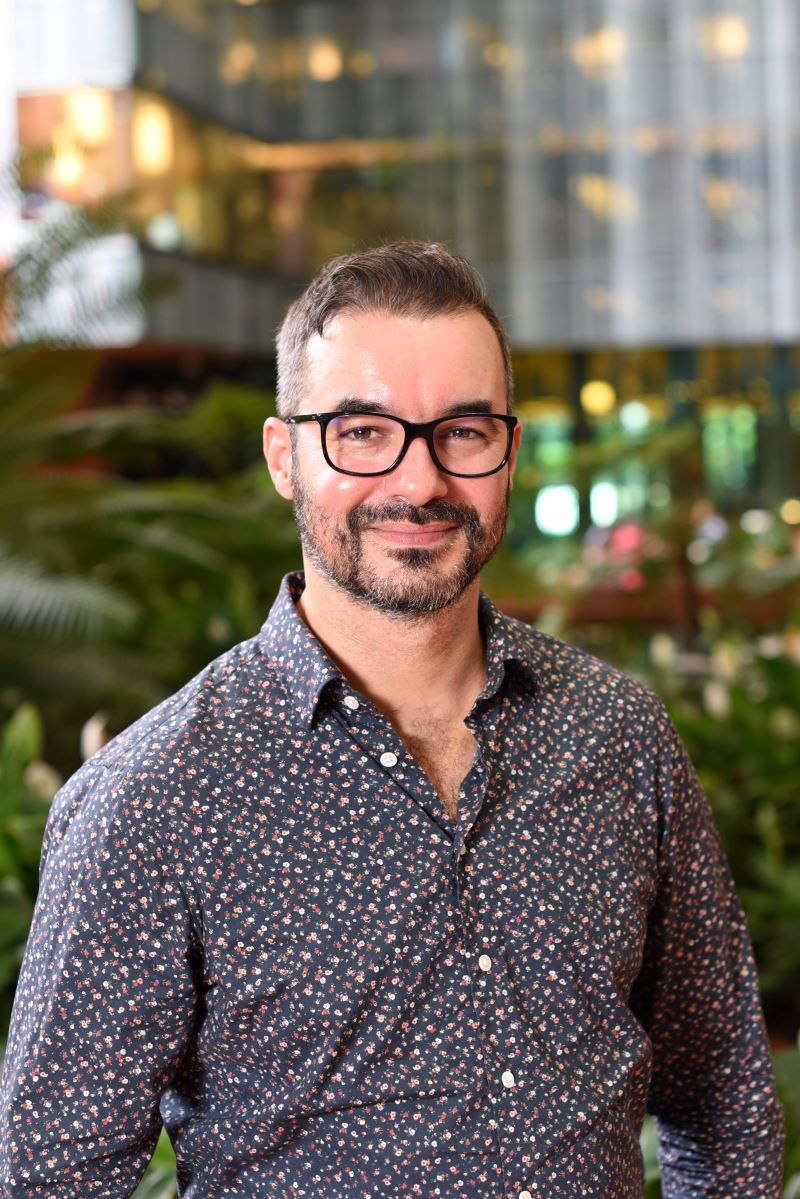
Fernando Guimaraes from The University of Queensland will develop a manufacturing pipeline to supply clinical grade off-the-shelf, genetically enhanced natural killer cells for children with cancers that currently have no effective treatment options. Read on for more about his work.
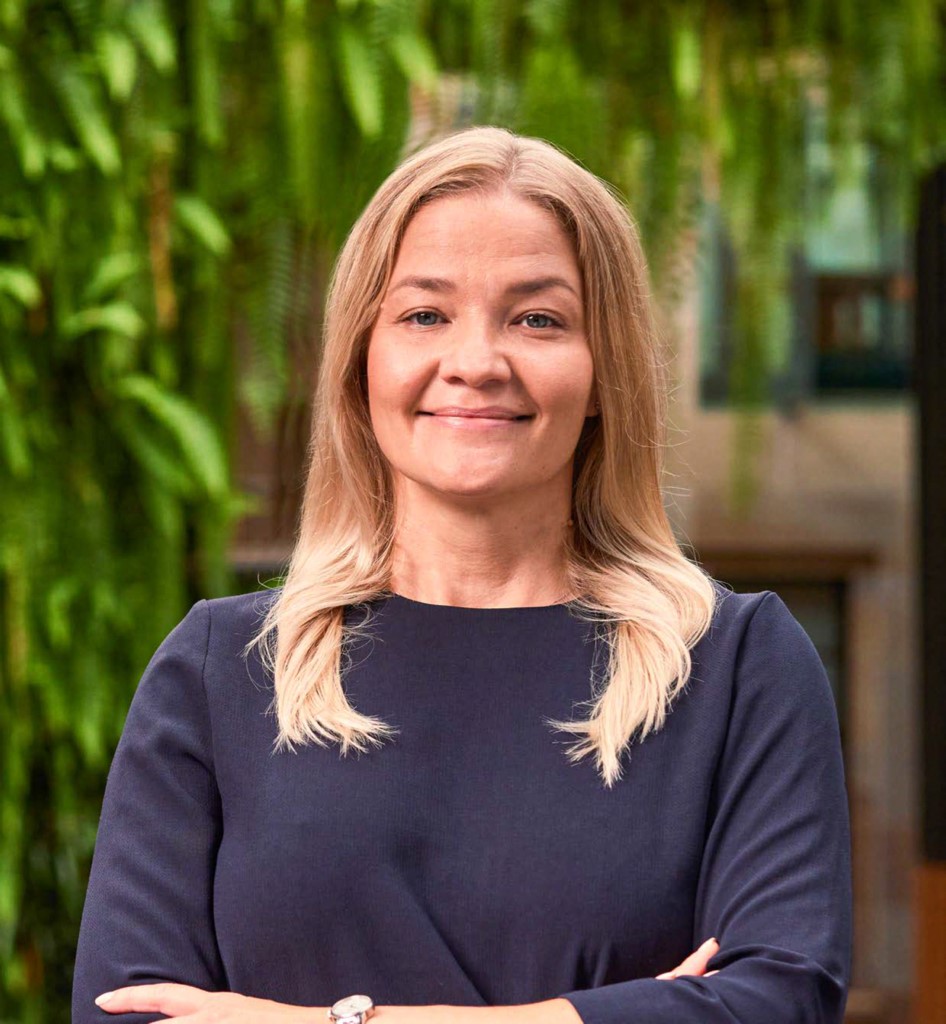
Merja Joensuu, also from The University of Queensland, is working to better understand why fats accumulate and cells degenerate in the brains of children with certain genetic disorders. More below.
We’re able to fund their work thanks to the generosity of our donors. Please make a donation so that together we can continue to make a difference.
What if we could change the fate of a human cell? That’s the idea Jose Polo will explore in a free public event on 13 October in Adelaide. Read on for more information.
See beautiful stem cell images and the favourites from the public vote in this year’s reNEW art exhibition. More below.
 We’ve been delighted to see stem cell pioneer Shinya Yamanaka on the cover of Time imagazine.
We’re also thrilled to see the growth of Australian scientists we’ve supported, including:
- New ‘mini guts’ to study inflammatory bowel disease, derived from stem cells by Helen Abud and her colleagues at Monash University
- $6 million national grant to establish the WA Centre for Cell and Genome Engineering, to be co-led by 2015 Metcalf Prize winner Ryan Lister from Harry Perkins Institute of Medical Research and The University of Western Australia
- Bioengineer and 2023 Metcalf Prize winner Jiao Jiao Li from UTS has been recognised as Professional Engineer of the Year at Engineers Australia Sydney Division Excellence Awards
- ‘Altas of the heart’ online research resource has been created by 2019 Metcalf Prize winner Jame Hudson and his team at QIMR Berghofer.
These stories and more in our regular round up of news.
Kind regards,
Dr Graeme L Blackman AO
Chairman, National Stem Cell Foundation of Australia
In this bulletin:
- The living drug: funding lifeline keeps a Brisbane cancer therapy on track
- Fixing fat and fuel in the brain cells of children with rare neurodegenerative disease
- Adelaide event: 'Exploring the Boundaries of Human Reprogramming'
- Public votes and jury select winning stem cell art
- Stem cell news from around the world
The living drug: funding lifeline keeps a Brisbane cancer therapy on track
Could we give cancer-killing immune cells superpowers?
 Every day, a small population of immune cells, barely one to three per cent of the white blood cells patrolling the body, quietly stops most cancers before they start.
“They’re constantly patrolling and checking if there are other cells that could become cancers,” says Associate Professor Fernando Guimaraes, an immunologist at the University of Queensland’s Frazer Institute. “If there’s a risk, they eliminate them.”
These are natural killer (NK) cells, and turning their inbuilt cancer-hunting ability into a treatment is the focus of Fernando’s lab. Using stem cell techniques, his team grows NK cells in bulk and gives them what he calls “superpowers” — genetic engineering that sharpens their ability to recognise and destroy tumours.
His lab is targeting solid cancers that still lack effective treatments: triple-negative breast cancer, recurrent ovarian cancer, and paediatric sarcomas.
Getting there depends on funding that, until recently, kept narrowly slipping away.
“I have been applying for NHMRC fellowships for years, and it’s always close but not close enough,” he says.
The Foundation and the ASSCR are piloting a new Near-Miss Funding Program to overcome this cycle of application and near-miss rejection. Fernando is one of two researchers awarded $100,000 each so that they can continue their research and strengthen their programs for resubmission to major funding bodies.
Fernando’s goal is a “living drug”: a cell therapy that can be manufactured at scale, frozen, and infused into a patient when they need it.
Fixing fat and fuel in the brain cells of children with rare neurodegenerative disease
Foundation grant keeps research momentum going
A rare genetic disease that stops children’s brains from turning fats into fatty acids means a lifetime of difficulty for patients and their families. These children lose motor control, develop severe spasticity and intellectual disability, and there is no treatment.
Brisbane researcher Dr Merja Joensuu is challenging fundamental assumptions about the way the human brain uses fat for energy production. With enough funding, her work could lead to treatments for the disease hereditary spastic paraplegia (HSP) type 54.
Already, Merja has shown, in animal models of this disease, that replacing missing fatty acids reverses majority of the effects. Moving toward a treatment for children means first proving it holds true in human cells, but funding for her research through the NHMRC Investigator Grant program has been elusive, despite her application being highly ranked.
That is where the new Near-Miss Funding Program from the Foundation together with ASSCR comes in. They are backing Merja with a $100,000 grant to continue and strengthen her research at the University of Queensland’s Australian Institute for Bioengineering and Nanotechnology.
For decades, neuroscience had assumed the brain ran on sugar alone, treating fat as mere structural scaffolding.
Merja’s team found otherwise: neurons, they discovered, quietly burn their own fat for fuel.
Adelaide event: We can change the fate of a human cell – what does this mean?
Professor Jose Polo: Exploring the Boundaries of Human Reprogramming
Reprogramming specialised adult cells back into stem cells revolutionised cell biology, offering an alternative to embryonic stem cells, shedding light on early development, providing a way to recreate patients’ diseases in the lab and tissues for testing treatments, and paving the way for cell therapies that could restore vision loss and treat other diseases.
Meet pioneering reprogramming scientist Professor Jose Polo at the Inaugural National Stem Cell Foundation of Australia Oration, a free public event held in partnership with Adelaide University.
Jose will explore questions of how far can we push the boundaries of what a cell can become and what might this mean for the future of regenerative medicine, disease treatment and human health.
When: Tuesday 13 October, 5:30pm ACDT
Where: Adelaide Health and Medical Sciences building - Adelaide University, North Terrace, Adelaide.
Register: https://events.humanitix.com/national-stem-cell-foundation-of-australia-oration
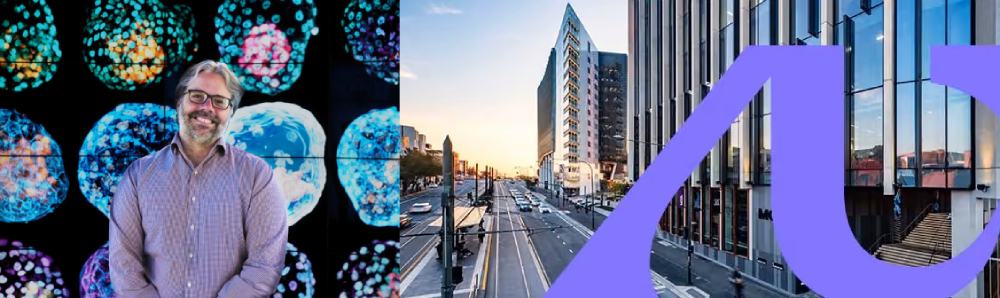
Jose is Professor of Epigenetics and Director of the Adelaide Centre for Epigenetics at Adelaide University, Program Lead in Cancer Epigenetics at the South Australian ImmunoGENomics Cancer Institute (SAiGENCI) at Adelaide University, and Group Leader at the Monash Biomedicine Discovery Institute. He also serves as Scientific Head of EMBL Australia.
Through his pioneering research, Professor Polo has made groundbreaking contributions to our understanding of cellular reprogramming – the process by which cells transform into different types. His work integrates cellular models, genomics, and computational approaches, driving advancements in stem cell science with far-reaching implications for both research and industry.
In 2014, Jose was one of two winners of the Foundation’s inaugural Metcalf Prizes for Stem Cell Research. In 2016, he co-founded Mogrify Pty Ltd to translate cell reprogramming technologies into clinical applications, bridging the gap between discovery and real-world impact.
His global influence on the field was recognised in 2024, when he was elected as a Fellow of the Australian Academy of Science.
Public votes and jury select winning stem cell art
reNEW's #ARTxSCIENCE virtual gallery is back

In ‘the golden fuse time’ (pictured above left), PhD student Yinghan (Winnie) shows stem cell-derived myoblasts fuse together into muscle fibres —a golden moment in skeletal muscle development. She is part of David Elliott and Enzo Porrello’s group untangling genetic heart and skeletal muscle diseases at the Melbourne node of Novo Nordisk Foundation Center for Stem Cell Medicine – reNEW.
‘Let it flow’ by research assistant Sophia Mah (centre image) shows the complexity of kidney tissue architecture, with blood filtering nephrons shown in blue with surrounding epithelial tissue in red. Sophia is part of Melissa Little’s team using lab-grown kidney organoids to study chronic kidney disease.
And ‘a kidney in the making’ (right) depicts exactly that; an image taken by Ker Sin Tan, also a research assistant in Melissa Little’s team.
These are three entries from Team Australia in reNEW’s annual #ARTxSCIENCE exhibition, raising awareness of the life-saving potential of stem cell research and the Australian and Danish researchers behind it.
12 finalists have been selected by a public vote, with the final winner (selected by an international jury) to be revealed on Global Stem Cell Awareness Day, 14 October 2026.
This virtual exhibition showcases images captured by scientists through real microscopes and other biomedical imaging equipment. It’s displayed online with the help of AI tools that create a gallery-like experience.
Visit: https://renew.science/artxscience/
Stem cell news from around the world
Between newsletters, we share stem cell news on social media:
Here are a few stories we’ve shared recently:
ABC: Melbourne researchers create intestinal models to research inflammatory bowel disease.
Harry Perkins Institute of Medical Research: Perth researchers awarded $6M national grant to establish WA Centre for Cell and Genome Engineering.
Time: Longevity Leaders 2026: Shinya Yamanaka made cells young again. Can that reverse aging?
7NEWS (video): Queensland researchers have created a world-first ‘Atlas of the Heart’.
InDaily Queensland: Brisbane researchers create new map of the human heart. Paper.
Hudson Institute of Medical Research: Stem cell science unlocks more mysteries of the menstrual cycle.
University of Technology Sydney: Harnessing stem cells to produce nanoscale therapeutics for osteoarthritis – A/Prof Jiao Jiao Li wins Professional Engineer of the Year (Sydney) award from Engineers Australia.
Phys.org: Oldest human brain cells grown in lab ‘recorded passage of time’. Paper.
ABC Radio Melbourne: Scientist Melissa Little and artist Patricia Piccinini speak with Rafael Epstein about the role of art, creativity and science in shaping conversations about emerging technologies.
Lab+Life Scientist: Heart valve tissues created from stem cells. Paper.
Drug Target Review: Stem cell-grown kidney organoids could help uncover new treatments for acute kidney injury.
Have you been forwarded this by a colleague? Sign up for the newsletter here.
About the Foundation
The National Stem Cell Foundation of Australia is an ATO-registered tax-deductible Health Promotion Charity dedicated to promoting the study and responsible use of stem cells to reduce the burden of disease.
The Foundation’s activities include:
- supporting research that pursues cures for as-yet-untreatable diseases
- building a community of people with a shared interest in stem cell science
- providing the Australian public with objective, reliable information on both the potential and risks of stem cell medicine.
We are working to build a community of people with a stake in stem cell science and to promote collaboration between scientists locally and internationally.
Please feel free to contact the Foundation’s General Manager Graeme Mehegan via [email protected]
Spread the word
Help us grow
We're keen to build a community of people with a stake in stem cell science to educate the community and support patients, clinicians and researchers. Feel free to pass this newsletter on to anyone who might be interested.
Got a story?
If you have comments, questions or news you think might be of interest to the stem cell community, we'd love to hear from you. Drop us a line at [email protected]
Connect with us online:
Web: www.stemcellfoundation.net.au
LinkedIn: linkedin.com/company/national-stem-cell-foundation-of-australia
Facebook: National Stem Cell Foundation of Australia
YouTube: Stem Cell Channel
{{broadcaster.name}}
{{settings.site.full_url}}