Two researchers using stem cell science to pursue new treatments for types of brain degeneration and solid cancers in children have been given a funding lifeline after narrowly missing out on Australian government grants.
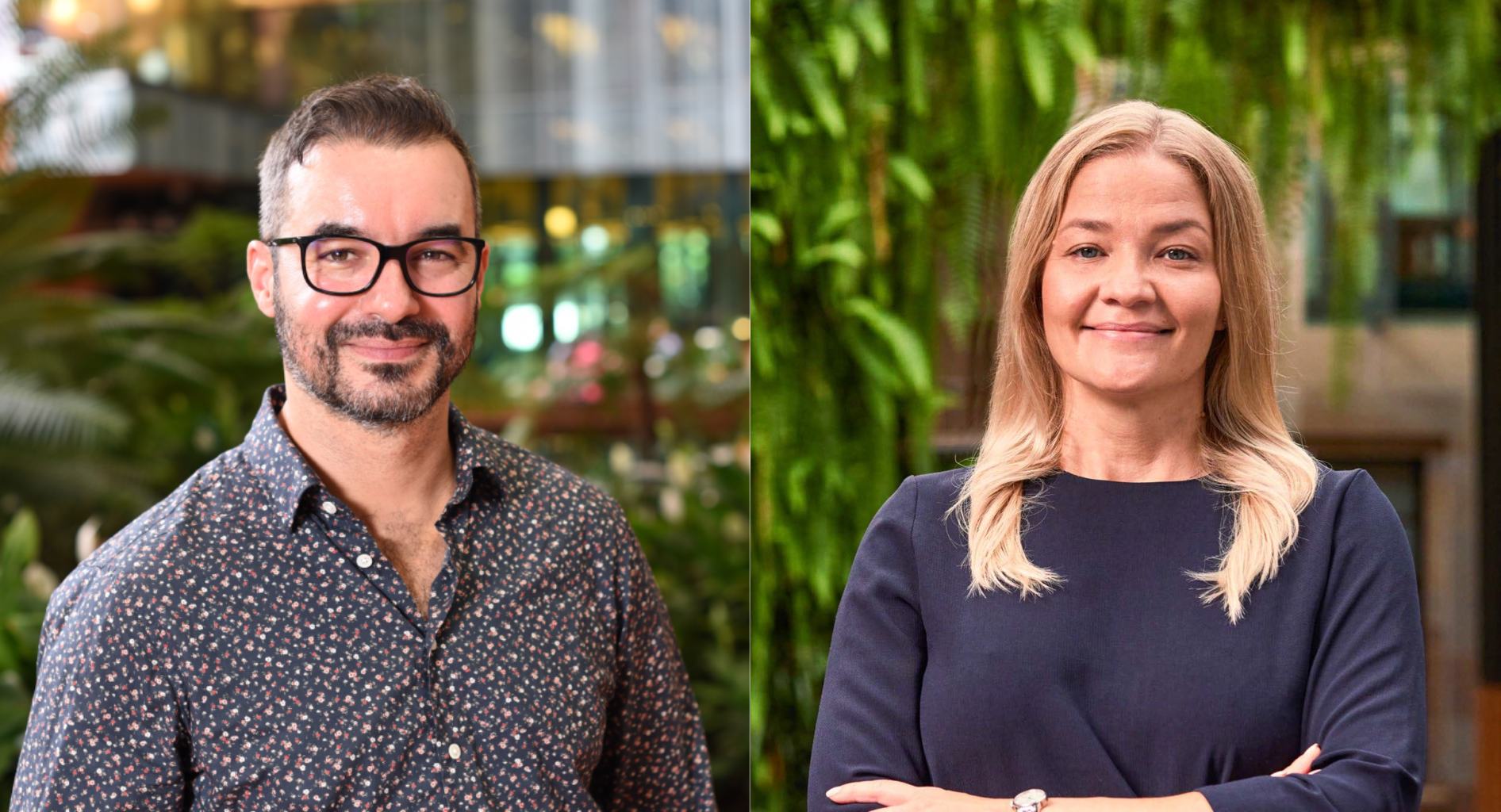 Each will receive $100,000 as the inaugural grant recipients of the new NSCFA-ASSCR Near Miss Funding Program, an initiative designed to provide bridging support for people who scored highly but weren’t awarded an Investigator Grant from the National Health and Medical Research Council (NHRMC).
Dr Merja Joensuu is working to better understand why brain cells degenerate in children in response to genetic disorders. This funding will allow her and her team to establish advanced human stem cell models that closely mimic neurodegenerative diseases. These models and the understanding they bring will help her and other scientists accelerate the development of new treatments for young patients.
Merja is a Group Leader at the Australian Institute for Bioengineering and Nanotechnology, The University of Queensland.
A/Prof Fernando Guimaraes wants to develop a manufacturing pipeline to supply clinical grade off-the-shelf, genetically enhanced natural killer cells for children with cancers that currently have no effective treatment options.
The grant will help his team build on their stem cell work, turning induced pluripotent stem cells into natural killer cells engineered to get past the defences that solid tumours use to avoid the immune system. It will fund essential preclinical work.
Fernando is a Group Leader at The University of Queensland’s Frazer Institute.
Australia has a medical research funding crisis, which means that stem cell science that could transform lives will be lost. The NSCFA-ASSCR Near Miss Funding Program is a two-year pilot program and a joint initiative of the Foundation together with the Australasian Society for Stem Cell Research (ASSCR) to address a small part of this gap.
“Both scientists and their teams are working towards the translation of stem cell research into the clinic to benefit children with very different, currently intractable disorders,” says Prof Caroline Gargett, a selection panel member and Chair of the National Stem Cell Foundation of Australia Board’s Scientific and Ethics Committee.
“This is important, potentially life-saving research. The calibre of these and the other applications shows Australia has really excellent science that, unfortunately, isn’t getting funded,” she says. “We’re a small foundation, but we hope to make a big difference by working jointly with the ASSCR in supporting promising stem cell researchers along the path to winning grants.”
“This initiative provides immediate support for scientists while ASSCR, research organisations, peak bodies, academies, patient groups and others call for increased NHMRC funding,” says ASSCR President A/Prof Lincon Stamp. “The need is for both increased funding and better deployment of the Medical Research Future Fund to secure the long-term future of Australian medical science.”
Under the Program, the Foundation provides 90 per cent of grant funding, while the Society administers the initiative and provides 10 per cent of grant funding. The 2026 program focussed on Investigator Grants. The 2027 Program will invite applications from highly scored but unsuccessful applicants for NHMRC Ideas Grants focussed on stem cell science.


Showing 1 reaction