We ask 2021 Metcalf Prize winning cancer researcher Siok Tey about the buzz around new therapies.
 For decades, a bone marrow transplant has been the best — and often last — hope for people whose leukaemia or lymphoma had outrun chemotherapy. A bone marrow transplant is essentially a type of blood stem cell transplant.
Stem cells may now have a new role in fighting cancer by pairing up with CAR T-cell technology to make treatment more affordable and more rapidly and readily available.
CAR T-cell therapy uses gene engineering to turn a patient’s own immune cells into cancer hunters. Doctors collect T-cells, the immune system’s foot soldiers, from a patient’s blood and re-engineer them to carry a chimeric antigen receptor, or CAR: a homing device that recognises a specific flag on a cancer cell.
The modified cells are multiplied into the millions in a laboratory and infused back as a once-off “living drug” that hunts down the cancer conventional treatment missed.
The results in some blood cancers have been striking and lifesaving, with a 40-50% success rate for certain types of blood cancer.
The most widely used version targets a flag called CD19, found on B cells behind many leukaemias and lymphomas. It clears the cancer along with healthy B cells, a side effect patients can live with.
Solid tumours are far harder to deal with. Their target isn’t uniform, and the cancer cells sit in what Associate Professor Siok Tey of QIMR Berghofer calls “bad soil”, a hostile environment where the therapy can’t grow.
CAR T-cell therapy and bone marrow transplantation are close cousins. Both are cellular immunotherapies for blood cancers, and the subjects of Siok’s ongoing research. In 2021, she won a Metcalf Prize from the Foundation in recognition of her achievements and to help advance her work.

A transplant doesn’t just swap diseased marrow for healthy marrow, it gives the patient a whole new immune system, powerful at killing leukaemia.
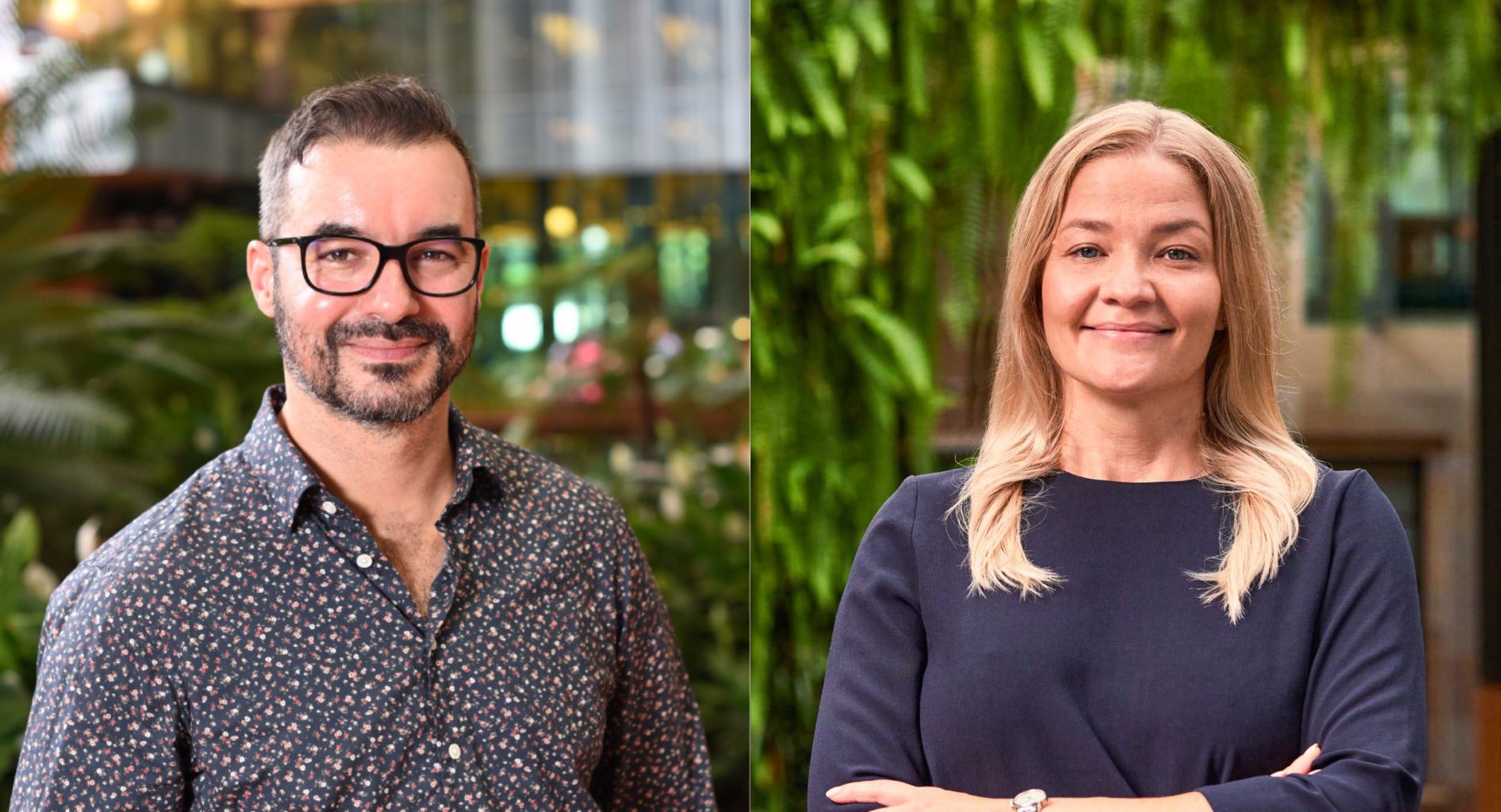
Pictured: One of Siok Tey's patients sculptor David White, before and after bone marrow transplantation.
“A bone marrow transplant is a type of T-cell therapy, in a way — it is very effective, but it is a blunt tool that can have serious complications,” says Siok, who treats blood cancer patients as well as researching better therapies. These new cells include good T cells that fight cancer and bad ones that attack the patient’s healthy tissues, such as the skin and gut.
CAR T-cell therapy is the precise alternative. “If we can just engineer the T-cells to see only the cancer target, isn’t that so much better?” asks Siok.
There’s a catch, however. Today’s CAR T-cells are made individually for each patient — slow, costly, and impossible for some. “Waiting around a month is not always an option if you have an aggressive cancer,” Siok says, and some patients do not have enough healthy T-cells to make the therapy after enduring multiple rounds of chemotherapy.
This is where stem cells could transform the field. A stem cell can renew itself almost indefinitely, so a single line could supply standardised, “off-the-shelf” CAR T-cells — made once, banked, and ready the moment a patient needs them.
“If you can make CAR T-cells from stem cells, you can make a batch that keeps going forever — in theory, an inexhaustible source,” says Siok.
Cells reprogrammed from adult tissue, known as induced pluripotent stem cells (iPSCs), are a leading candidate. They can be precisely engineered to prevent rejection and to overcome some of the limitations of current CAR T-cell therapy. They may or may not kill cancer better, she notes but the prize is real: ready access, consistent quality, lower cost, and treatment for the patients who can’t make their own.
It’s early days, but the direction is clear: take a therapy that already performs near-miracles for some and transform it into a treatement for many more.


Showing 1 reaction