Sleeping cancer cells. And a schizophrenia brain bank. Meet the Metcalf Prize winners
I am delighted to announce the winners of the 2025 Metcalf Prizes for Stem Cell Research: Dr Maria Di Biase from The University of Melbourne and Dr Lachlan Harris from Brisbane’s QIMR Berghofer.
Both are conducting important fundamental research using stem cells to study function, development and disorders of the human brain in ways that were once never thought possible. Each will receive a $60,000 prize from the Foundation. More below.
Celebration of the Metcalf Prizes, established in 2014, marked one of the highlights from the Australasian Society of Stem Cell Research Annual Meeting on the Gold Coast, Queensland.
Also this month, building off the work of Maria and Lachlan, we’ve put together a backgrounder on stem cells and the human brain.
Our round-up of stem cell news includes how US researchers have produced human eggs from skin cells; potential use of menstrual blood samples in medical research; lab-grown teeth, and more.
Stem cells sound magical, but they’re not all created equal: we particularly enjoyed this overview in The Conversation by Associate Professor Jennifer Zenker and agree with her that stem cells, when truly mastered, remain ‘one of the most promising frontiers in modern medicine’.
And finally, congratulations to:
- Professor Kaylene Young, one of our inaugural Metcalf Prize winners (2014), for being appointed to the Australian Academy of Health and Medical Sciences Mentorship Program;
- Metcalf Prizes alumni Professor Jose Maria Polo (2014) and Professor Enzo Porrello (2018) for being welcomed as Fellows to the Australian Academy of Health and Medical Sciences; and
- Foundation Board member Professor Caroline Gargett, who chairs our science and ethics committee and Metcalf jury, for being awarded the 2025 ASSCR President’s Award for outstanding career achievements and inspiring leadership.
Kind regards,
Dr Graeme L Blackman AO
Chairman, National Stem Cell Foundation of Australia
In this bulletin:
- A brain bank of schizophrenia to fast-track diagnosis and better treatments
- The stem cells in your brain are sleeping until they’re needed
- Unlocking the brain's mysteries
- ASSCR Annual Meeting highlights
- Stem cell news from around the world
A brain bank of schizophrenia to fast-track diagnosis and better treatments
 Dr Maria Di Biase has created a ‘brain bank’ of schizophrenia: blobs of brain cells from 100 patients, growing in the lab. She’s using these brain organoids to develop urgently needed new approaches to diagnosis and treatment.
Schizophrenia affects about one in 300 people worldwide. It usually manifests in adolescence. People with schizophrenia lose an average 15 years of lifespan.
Each case is different, so it can often take years to establish stable treatment. And the treatments can have life-changing side effects above and beyond the impact of the illness.
Maria and her team at The University of Melbourne have successfully taken blood from patients and persuaded blood cells to turn into stem cells, and then grow into brain cells. She can then study each person’s unique schizophrenia using these blobs of human brain tissue.
Her vision is to use a schizophrenia patient’s own cells to choose the right treatment the first time; a vision which will be supported by her $60,000 Metcalf Prize.
Read more about Maria and her research
The stem cells in your brain are sleeping until they’re needed
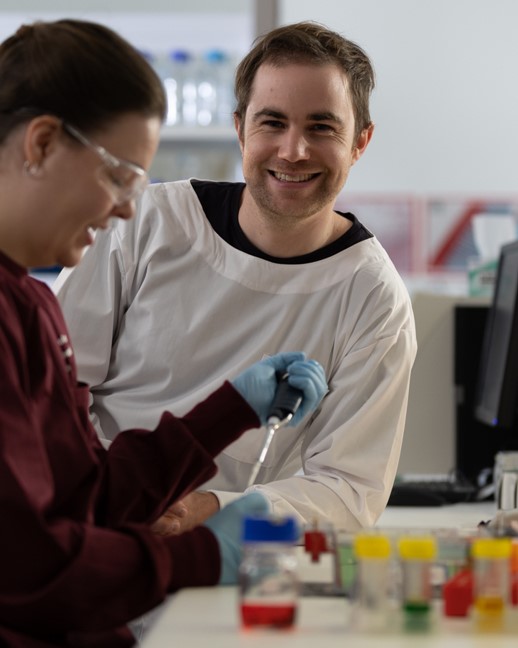 Waking up brain stem cells at the right time could one day improve cognition and fight neurodegenerative diseases and cancer, according to Dr Lachlan Harris, a researcher at QIMR Berghofer in Brisbane.
Right now, most of the stem cells in your brain have been hibernating for months or years. Without periods of this sleep-like state, known as ‘quiescence’, they get exhausted and die.
Lachlan has discovered the molecular mechanisms that control how healthy brain stem cells fall asleep and how they decide when to wake up.
Now, with the help of his $60,000 Metcalf Prizes from the National Stem Cell Foundation of Australia, he’s turning his attention to recurrent – and often lethal – brain cancer.
“It turns out that this same process of sleep is adopted by brain cancer stem cells,” says Lachlan. “They’re able to use this dormancy to survive chemotherapy and radiation therapy. After treatment, these cancer sleeper cells can wake up, leading to cancer recurrence.”
Lachlan and his team’s work unravelling brain stem cell quiescence is fundamental research that could one day be applied to keeping the brain healthier as we age and also to future brain cancer treatments.
“If our ideas are right, it could lead to a whole new way of treating brain cancer, but that's at least 10 years away,” he says.
Read more about Lachlan and his research
The Metcalf Prizes for Stem Cell Research are named after the late Professor Donald Metcalf, AC.
Over his 50-year career, Don helped transform blood cancer treatment and transplantation medicine, and paved the way for potential stem cell therapy in the treatment of many other conditions.
Unlocking the brain's mysteries
 The brain remains one of the greatest biological mysteries. Often referred to as the body’s ‘control centre’, this complex organ of nervous tissue makes us uniquely who we are: living, breathing, thinking, feeling human beings.
Often referred to as the body’s ‘control centre’, this complex organ of nervous tissue makes us uniquely who we are: living, breathing, thinking, feeling human beings.
That’s because the brain regulates both conscious and unconscious actions – our thoughts, memories, movement, emotions, behaviour, identity, hunger signals and vital functions like breathing, body temperature and heartbeat.
Despite advances in science, we have much to learn about the brain, how to keep it healthy and better understand what happens to it as we age.
Today, around two in five Australians will experience a brain disorder in their lifetime.
Unfortunately, effective therapies and treatments for a myriad of disorders (neurological and psychiatric) are yet to be discovered.
While stem cell therapy has been routinely used since the 1970s, proven treatments are largely confined to bone marrow and blood stem cell transplants for conditions affecting the blood and immune systems, such as leukaemia and thalassaemia, alongside corneal and skin grafting applications.
In Australia and globally, there are several experimental stem cells therapies being tested for many diseases including Parkinson’s disease, arthritis, macular degeneration, diabetes, heart conditions and more. But they are not yet ready for standard medical care.
Of all organs in the human body, the brain is one of the most challenging to study. It is complex and difficult to access.
In good news, as the winners of our 2025 Metcalf Prizes demonstrate, stem cell research is a game-changer for brain research on multiple fronts:
- Scientists can grow different types of healthy brain and nerve cells from stem cells in the lab to unlock the brain’s mysteries.
- They can engineer advanced models of diseases and disorders, using patient-derived stem cells (from blood and skin) to aid our understanding of these conditions and fast-track development of possible treatment options.
- And they can study stem cells that reside in the adult brain to see if these can be stimulated to produce therapeutic benefits
Australia's 'brains trust' studying the brain
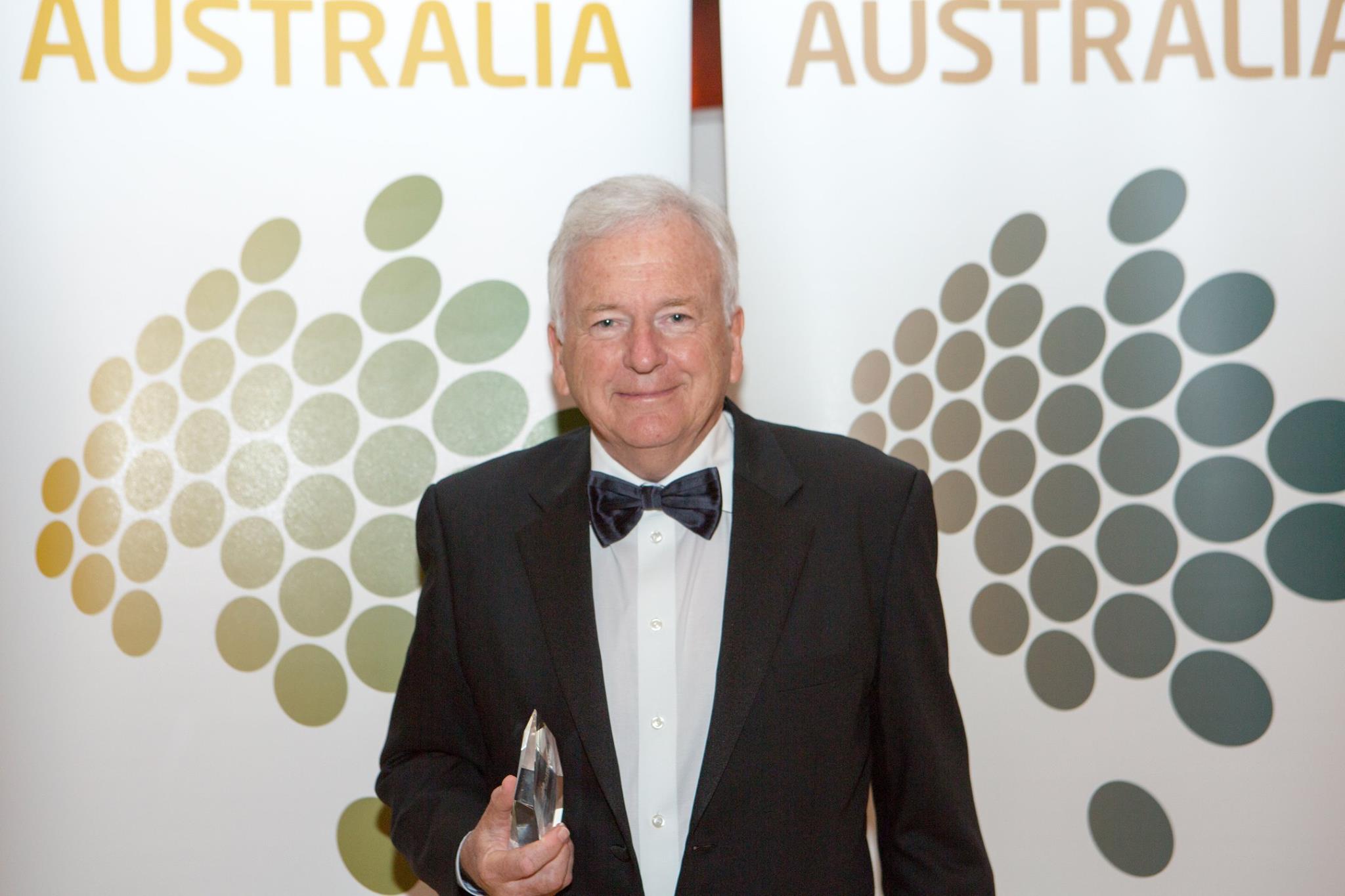 Up until a few decades ago it was widely believed that the brain had neither stem cells nor the ability to regenerate itself.
Queensland Brain Institute founder and pioneering neuroscientist, Emeritus Professor Perry Bartlett AO FA [pictured right], overturned this dogma with his discovery of how the brain can be regenerated through stimulating the production of new nerve cells.
Notably, Perry was inspired by Professor Don Metcalf’s work on blood-forming (haemopoietic) stem cells. In 1982, he predicted that there were stem cells in the brain. In 1992 he found them in mouse embryos then in adult mice. A decade later, he isolated them from the forebrain.
Perry’s work has led to a transformation in our understanding of the brain, earning him the 2015 CSL Florey Medal; Research Australia Lifetime Achievement Award; and an Officer of the Order of Australia in the 2020 Queen’s Birthday Honours.
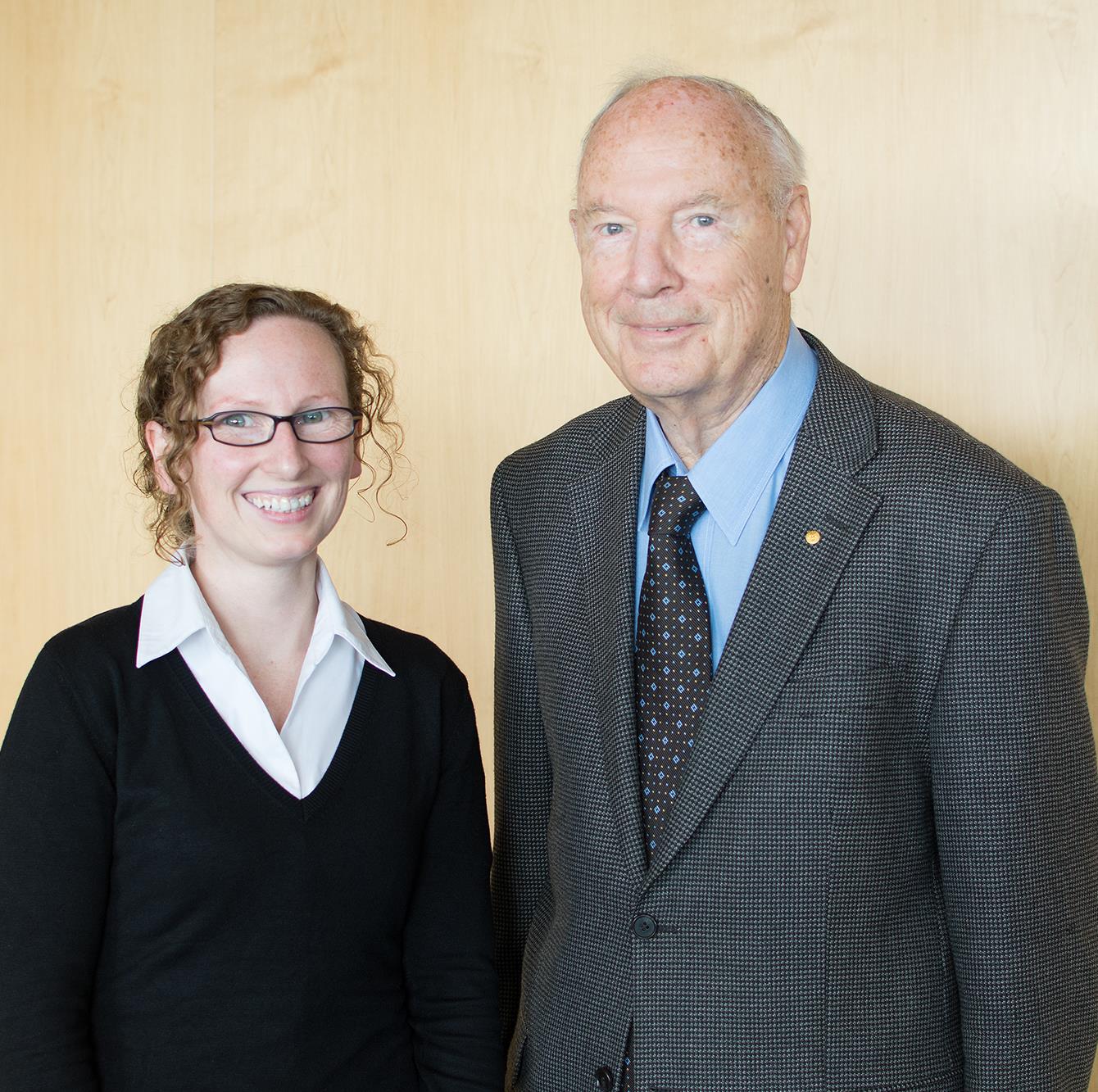 Neuroscientist Professor Kaylene Young – one of two recipients of the Foundation’s inaugural Metcalf Prizes – assisted with the establishment of the Queensland Brain Institute in 2003.
In 2014, she was awarded a Metcalf Prize for her work unravelling the biology and function of brain stem cells in neurodegenerative diseases. The prize included mentoring from Professor Don Metcalf.
Since then, the Theme Leader for Brain Health and Disease Research at the Menzies Institute for Medical Research (University of Tasmania) has run patient trials of a non-invasive treatment for multiple sclerosis using magnetism to stimulate brain repair. Read more
Kaylene also featured on our recent ‘Future Medicine: Stem Cells & Brain Health’ webinar. Watch a recording on the Foundation’s website
 Monash University researcher Associate Professor Atul Malhotra is leading a clinical trial to explore feasibility and safety of using donated umbilical cord blood-derived cells to help repair brain injury associated with preterm births.
The phase-1 ALLO trial is backed by a $100,000 Matched Funding Program grant co-funded by the Foundation and Cerebral Palsy Alliance. Read more
In other recent developments:
- Exercise, stem cells and Parkinsons: Professor Clare Parish (The Florey, Melbourne), who also joined our brain health webinar, is leading research with Professor Lachlan Thompson (University of Sydney) on the role of exercise to enhance stem cell transplant function in Parkinson’s disease: https://doi.org/10.1016/j.stemcr.2025.102480
- Stopping cells from dying: WEHI scientists, including researchers from the Parkinson’s Disease Research Centre, have discovered how to block cells dying, in a finding that could lead to new treatments for neurodegenerative conditions: https://doi.org/10.1126/sciadv.adr8146
- Lighting up human brain cells to find new dementia medicines: researchers from the Monash Institute of Pharmaceutical Sciences have secured a Commonwealth Government-backed $953,751 Medical Research Future Fund grant: https://www.monash.edu/news/articles/monash-scientists-secure-mrff-funding-to-find-new-medicines-for-dementia-by-lighting-up-human-brain-cells
ASSCR meeting showcases how donations make a difference
Each year, the Foundation presents a session at the ASSCR Annual Scientific Meeting to formally present the Metcalf Prize winners and to hear from researchers we’ve backed in the past. In our next newsletter we’ll profile some of these early career researchers supported with the help of our donors.
Separately, thanks to a bequest from the estate of the late Gordon Lapham, the Foundation supports registration and travels costs of a group of PhD students and early career researchers.
 This year, 24 researchers [pictured with ASSCR 2025 organising committee members] received grants to attend the meeting on the Gold Coast in Queensland, and present their work.
And finally, the Foundation is proud to sponsor the ASSCR Rising Star Awards, which this year went to Dr Ana Núñez Nescolarde from the Harry Perkins Institute of Medical Research at the University of Western Australia; and Dr Kevin Law from the Charles Perkins Centre at the University of Sydney.
Stem cell news from around the world
Between newsletters, we share stem cell news on social media:
Here are a few stories we’ve shared recently:
Our 2025 Metcalf Prize winners made headlines in The Courier-Mail; 7News Melbourne; ABC Radio Melbourne Mornings with Rafael Epstein; and ABC Radio Gold Coast Drive with Bern Young. Listen to their radio interviews on the Foundation’s website: https://www.stemcellfoundation.net.au/listen
ABC News: US researchers turn DNA from human skin cells into ‘functional’ eggs able to be fertilised by sperm in a lab. Paper.
The Conversation: ‘Stem cells sound magical, but they’re not all created equal. Here’s what you need to know’. Article by Associate Professor Jennifer Zenker (Australian Regenerative Medicine Institute, Monash University).
The Guardian: ‘A medical miracle: is period blood the most overlooked opportunity in women’s health?’. Article quotes Professor Caroline Gargett, who discovered endometrial stem cells.
CNN: ‘Scientists are racing to grow human teeth in the lab’. Progress on creating lab-grown teeth, including a recent King’s College London study. Paper.
Fox News: ‘Gray hair could play surprising role in cancer defense, study suggests’. Japanese scientists reveal how pigment-producing stem cells in hair follicles can respond to stress in dramatically different ways. Paper.
Australian Financial Review: ‘How Mesoblast’s founder proved the shorters wrong’. Article on hard work of immunologist-turned-businessman Silviu Itescu and his company’s first commercial product Ryoncil.
Read more stories in our social channels: LinkedIn, Twitter/X, Bluesky and Facebook.
Showing 1 reaction